
At a time of rising global instability, Australians are paying higher prices while our national fuel resilience weakens.
This is not sustainable.
What’s happening and why it matters
Australia depends on fuel to keep the country running; from farms and freight to aviation and everyday transport. Yet today Australia imports the vast majority of its fuel and holds far less emergency supply than international standards recommend.
Fuel affects almost every part of the Australian economy:
- food production
- freight and supply chains
- aviation and tourism
- emergency services
- household budgets
When fuel prices surge, the cost flows through the entire economy.
Australia should take this opportunity to strengthen its resilience — not weaken it.
The issue explained
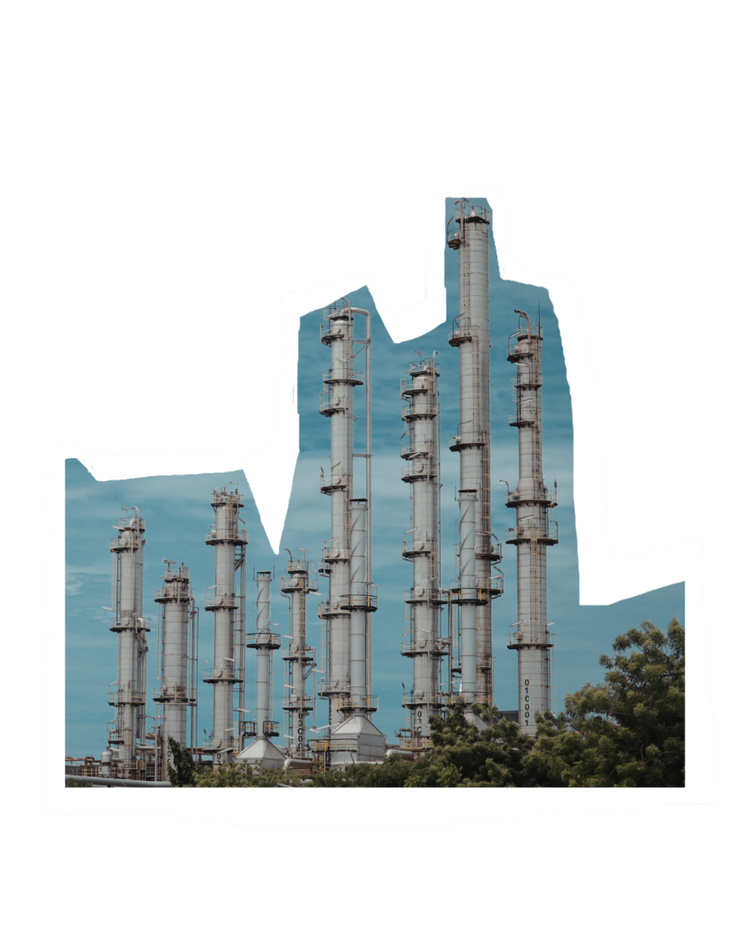
Fuel supports many core parts of the Australian economy.
It powers agricultural machinery during planting and harvest seasons, enables freight movement across long distances, supports aviation and tourism, and underpins everyday transport for households and businesses.
Changes in fuel prices affect a wide range of economic activities. Higher fuel costs can increase freight expenses, raise input costs for agriculture and industry, and contribute to higher prices across supply chains.
Because Australia is a geographically large country with long transport distances, fuel costs influence economic activity across many sectors.
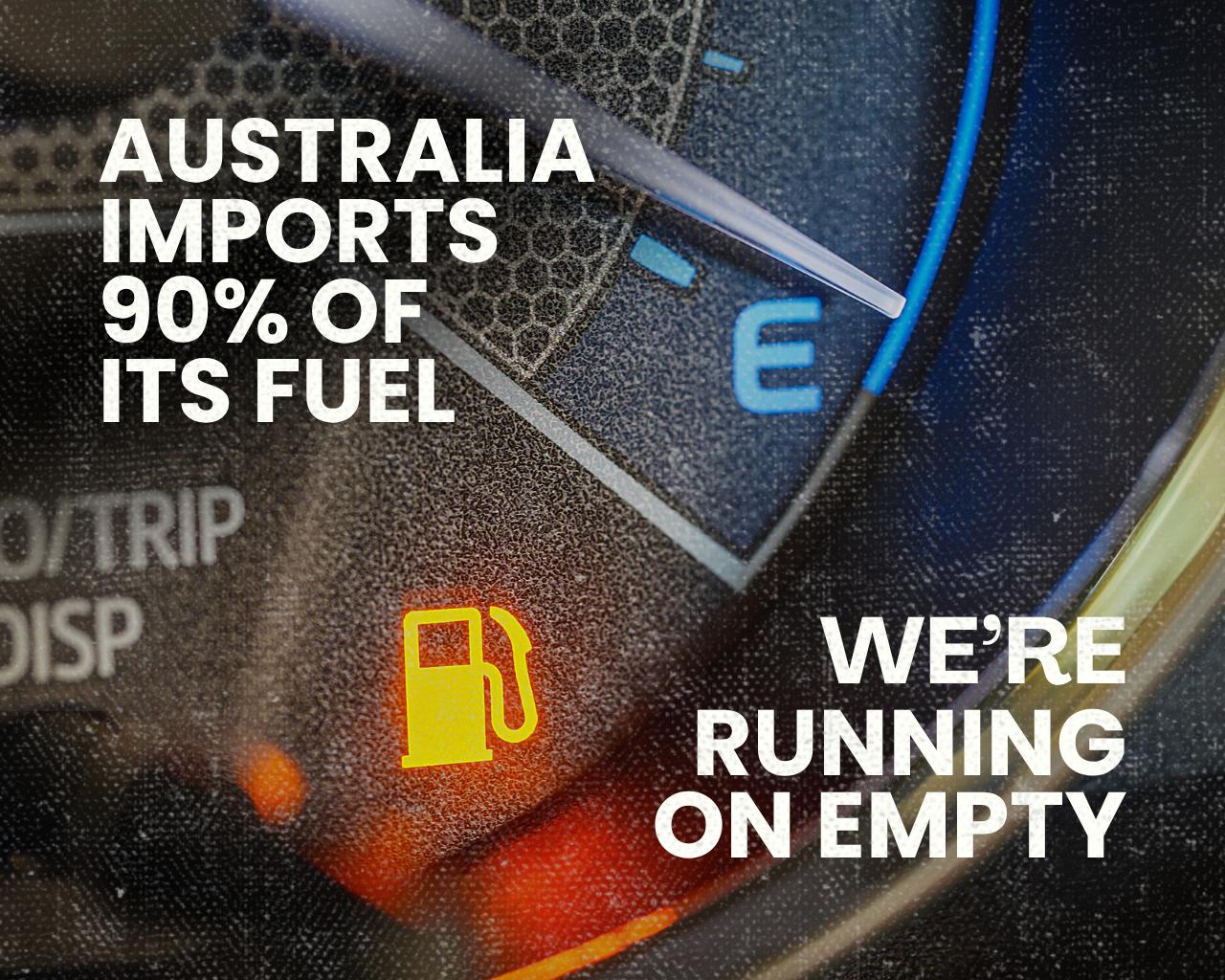
Australia imports most of the refined fuel it consumes.
Around 80–90% of Australia’s petrol, diesel and aviation fuel is refined overseas before being shipped to Australian ports.
Much of this refining occurs in major international refining hubs such as Singapore, South Korea and Japan.
This system relies on global shipping routes and international refining capacity. While these supply chains can operate efficiently during stable periods, they are also exposed to disruption during periods of geopolitical tension, shipping interruptions or broader market volatility.
Australia once maintained a far stronger domestic refining industry.
During the latter half of the twentieth century, Australia operated eight oil refineries across the country.
Over time, economic pressures and global industry shifts led to refinery closures.
Today only two refineries remain operating.
This significant reduction in refining capacity means Australia now relies far more heavily on imported refined fuel than it did in previous decades.
Fuel reserves are used by many countries to provide a buffer during supply disruptions.
Australia currently holds approximately 30–36 days of fuel reserves.
International benchmarks commonly referenced by advanced economies are closer to 90 days of reserves.
The difference between these levels reflects a lower margin of supply protection if international shipments are delayed or disrupted.
Fuel costs affect a range of economic activities beyond household transport.
Higher fuel prices can influence:
- freight and logistics costs
- agricultural production and food distribution
- construction and industrial activity
- aviation and tourism
- operating costs for many businesses
Because fuel is used throughout supply chains, price increases can flow through to goods and services across the broader economy.
What we are asking for
We call on the Australian Government to act immediately:
Temporarily suspend fuel excise during the current supply crisis: Australians currently pay 52.6 cents per litre in fuel excise. Temporary relief would immediately reduce cost pressures across the economy.
Suspend GST on fuel during the crisis: GST is applied after excise, meaning Australians pay tax on tax, during periods of supply shock, this additional burden should be removed.
Prioritise domestic fuel supply: Australia must ensure locally refined fuel serves domestic demand before export during supply instability.
Rebuild sovereign refining capacity: Australia once operated eight refineries. Today only two remain. A clear long-term plan is needed to restore and modernise domestic refining capability.
Establish domestic contingency fuel capability: Australia should rapidly develop locally derived fuel options to ensure supply resilience during global disruptions.
We are urging The Albanese Government to exercise fiscal responsibility.
If government revenue is reduced, government spending must be reduced accordingly.
Anything less simply shifts the cost onto future Australians through debt or higher taxation.
The Right to Connect: A People’s Appeal
Demand Representation. Hold Our Leaders Accountable. Your Voice is Crucial.
FAQs
Why is fuel security an issue in Australia?
Australia imports the majority of its refined fuel. Over the past two decades, most of the country’s oil refineries have closed, leaving only two operating facilities. This means much of the petrol, diesel, and jet fuel Australians rely on every day is refined overseas and shipped to us.
If global supply chains are disrupted, Australia could face serious fuel shortages.
How many refineries does Australia have today?
Australia once had eight oil refineries. Today, only two remain in operation.
The rest have closed due to global competition from larger refineries in Asia and changing economics in the oil industry.
Where does Australia’s fuel come from now?
Most of Australia’s fuel is refined in Singapore, South Korea, and other Asian refining hubs, then shipped to Australian ports.
While this system works during normal times, it makes Australia heavily dependent on international supply chains.
What could disrupt Australia’s fuel supply?
Several things could interrupt fuel imports, including:
- geopolitical conflict
- shipping disruptions
- cyber attacks on ports or logistics networks
- natural disasters affecting major shipping routes
- global fuel shortages
Even short disruptions could affect transport, food supply, emergency services, and the economy.
How much fuel does Australia store?
Australia’s fuel reserves are relatively small compared with many other developed countries.
For years, Australia did not meet the International Energy Agency (IEA) 90-day fuel reserve obligation, though some improvements have been made through overseas stockholding agreements.
Many experts argue Australia still needs stronger domestic fuel resilience.
Why did Australia’s refineries close?
Several factors contributed:
- higher operating costs in Australia
- ageing refinery infrastructure
- strong competition from large, modern Asian refineries
- global consolidation of the refining industry
Over time, importing refined fuel became cheaper than producing it locally.
Why does fuel security matter?
Fuel powers nearly every part of the Australian economy.
It keeps trucks moving, planes flying, farms operating, and emergency services running. If fuel supplies were disrupted, the effects could ripple through food distribution, healthcare, national defence, and daily life.
Is this about stopping fuel imports?
No.
Australia will likely continue importing refined fuel. The goal is not to eliminate imports, but to ensure the country is not dangerously dependent on them without sufficient reserves or contingency plans.